Use nurture campaigns to gather content insights that help you develop better content.

Every email marketing campaign is an opportunity to learn more about your audience. With each email you send, you can refine your messaging, hone your segments, and improve personalization. But when it comes to new contacts—those who’ve just entered your database—what’s the best way to gather insights quickly?
The answer lies in using message testing as part of your automated email nurture campaign. By structuring your nurture sequence as a learning engine, you can gather content insights from new subscribers to not only improve nurture performance but also optimize future content for maximum engagement.
In this post, we’ll walk through how to design an effective nurture campaign using message testing, what to test, and how to turn insights into action.
What Is an Email Nurture Campaign?

A nurture campaign is a planned journey for new contacts, guiding them through a series of automated emails designed to build trust, reinforce their decision to engage with your brand, and ultimately drive them toward conversion.
These emails should not be purely promotional. Instead, they should offer a mix of value-driven content, such as industry insights, case studies, and educational resources. By delivering relevant content, you demonstrate your expertise and keep your audience engaged without overwhelming them with sales pitches.
Why Message Testing Matters in a Nurture Campaign
Traditional nurture campaigns often follow a set-it-and-forget-it approach, where emails are scheduled based on assumptions about what the audience will find valuable. However, every audience is different, and what works for one segment may fall flat for another.
Message testing transforms your nurture campaign into a learning engine—one that actively gathers insights about what resonates with your audience so you can optimize current and future messages in real time.
By incorporating Message Testing steps into your email automation workflow, you can experiment with different content formats, tones, and value propositions to see what drives engagement. These insights then help refine not just your nurture emails but all future marketing communications.
Designing a Nurture Campaign that Gathers Insights
Step 1: Optimize the Opt-In Process
Before contacts even enter your nurture sequence, you should be gathering basic but valuable data about them.
- Keep forms simple: Research shows that reducing the number of form fields increases conversion rates.
- Allow for self-segmentation: If your business offers multiple products or services, let subscribers express their interests upfront.
- Topic Preferences: Go beyond products to ask about the kind of content they want to receive.
- Never buy contact lists: Sending cold emails to purchased lists damages your sender reputation and leads to high unsubscribe rates.
A well-designed opt-in process ensures you’re starting with engaged contacts who want to hear from you.
Step 2: Define Your Campaign Goals
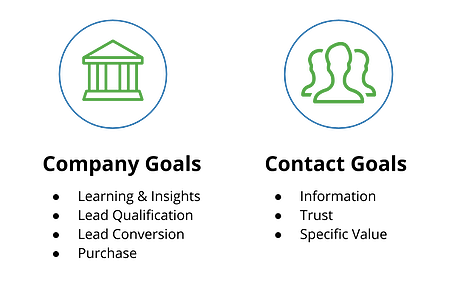
Your nurture campaign should align with both:
- Your business goals (e.g., increasing conversions, driving product adoption, educating customers)
- Your contacts’ goals (e.g., learning about industry trends, understanding solutions to their challenges, evaluating your offerings)
The first few emails should aim to gather insights, not just push conversions. By using message testing early, you can shape future content based on actual engagement data.
Step 3: Structure the Nurture Journey with Message Testing
For contacts entering your funnel for the first time, Message Testing is the best approach. Here’s why:
- No engagement history: Since these are new subscribers, you don’t have past data to personalize messaging. Testing helps uncover what works quickly.
- Faster learning: Unlike A/B testing, which runs until statistical significance is reached, Message Testing dynamically shifts volume toward winning emails, ensuring more contacts see the best-performing version.
- Content-driven insights: You’re not just testing subject lines—you’re testing themes, messaging styles, and formats to understand audience preferences.
The First Email: The Welcome Message
- Do not use Send Time Optimization (STO) for the first email.
- New subscribers expect an immediate welcome email. STO delays can create a poor first impression.
- Use Message Testing to experiment with:
- Subject line variations (e.g., formal vs. conversational)
- Personalization (e.g., first name in the subject line vs. no personalization)
- Content formats (e.g., a brief intro vs. a longer educational pieces)
Subsequent Emails: Experimenting with Content Themes
For the next 3-4 emails, focus on learning what your audience responds to by testing:
- Topics: Are they more engaged with content about cost savings, industry trends, or product use cases?
- Tones: Do they respond better to a direct, authoritative voice or a more casual, friendly approach?
- Formats: Do they prefer how-to guides, case studies, or data-driven reports?
Example Message Testing Setup
Imagine you sell marketing automation software. You might test three different email themes:
- Email A: “How to Automate Your Email Campaigns in 5 Minutes” (Practical, step-by-step guide)
- Email B: “Why Most Marketers Are Still Wasting Time on Manual Campaigns” (Pain point-driven messaging)
- Email C: “Case Study: How [Company X] Increased Conversions by 30%” (Success story)
The winning version reveals what drives engagement—helping you tailor future content accordingly.
Step 4: Turn Insights into Action
Once you’ve identified high-performing messages, you can:
- Double down on winning themes: If a certain topic consistently outperforms others, create more content around it.
- Refine your segmentation: If one message resonates more with a particular group, adjust your targeting to reflect those preferences.
- Optimize future emails: As you gather more data, update your email content to ensure new contacts get the most relevant content.
The key is to keep testing—your audience’s preferences may evolve, and staying agile ensures your messaging remains effective.
Real World Example: Cisco's Learning Engine
Cisco used Message Testing within their nurture campaigns to refine their email strategy. They tested 12 different email variables to understand what resonated most with their audience. Read the Case Study.
Key findings:
- Their audience preferred direct, straightforward messaging over marketing-heavy language.
- Practical, how-to content performed better than high-level thought leadership.
- Emails that allowed recipients to assess their own challenges led to higher engagement.
By applying these insights, Cisco was able to create more targeted campaigns, leading to increased open rates, click-throughs, and conversions.
Are you ready to turn your email nurture campaign into a data-driven powerhouse? Start testing, start learning, and start optimizing today. Check out our blog post on developing Winning Email Versions and our Message Testing Tips & Tricks.
